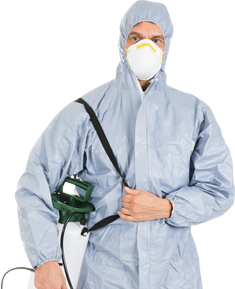
Rodent & Vertebrate Control
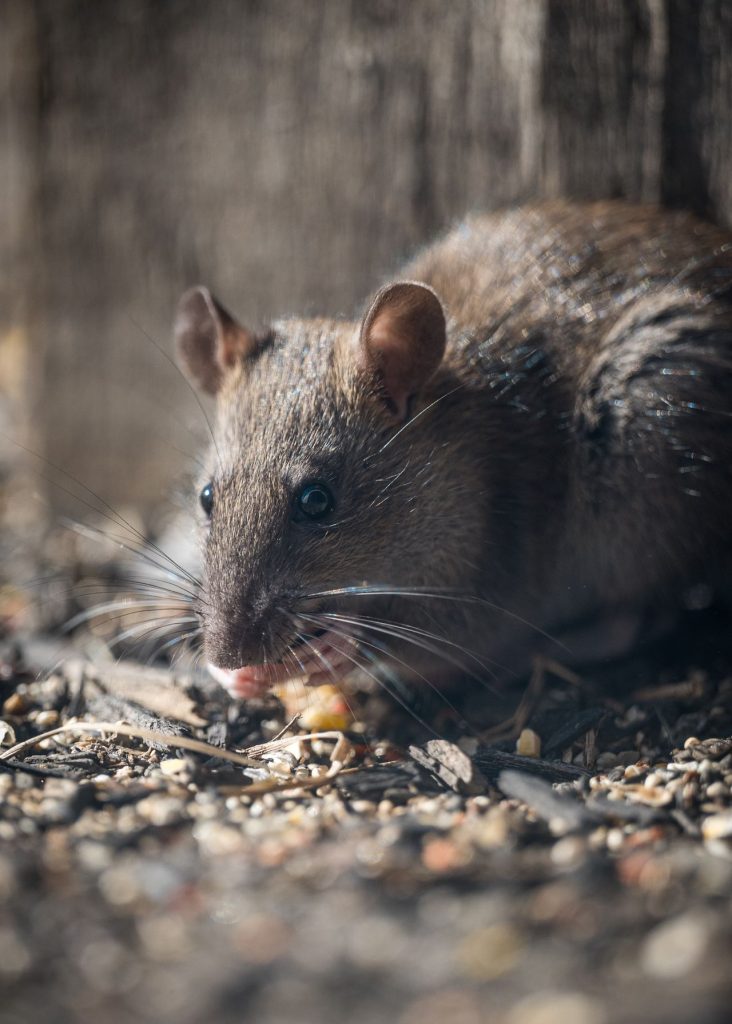
Effective Solutions for Rodents and Nuisance Wildlife
Rodents and other vertebrate pests can cause property damage, contaminate food, spread disease, and create unsafe conditions for homes, farms, and businesses. Beartooth Pest Control provides professional rodent and vertebrate control services throughout Billings and surrounding communities.
Our team delivers safe, effective, and customized solutions to remove existing pest problems and help prevent future infestations. As a licensed provider, we also hold an Agricultural Vertebrate License, allowing us to provide professional vertebrate pest management where applicable.

Common Rodent & Vertebrate Pests We Manage
We help control a variety of nuisance pests, including:
- Mice
- Rats
- Ground squirrels
- Gophers
- Voles
- Pocket gophers
- Other nuisance vertebrate pests (where permitted)
If you’re unsure what is causing the problem, we’ll inspect your property, identify the pest, and recommend the most effective treatment plan.
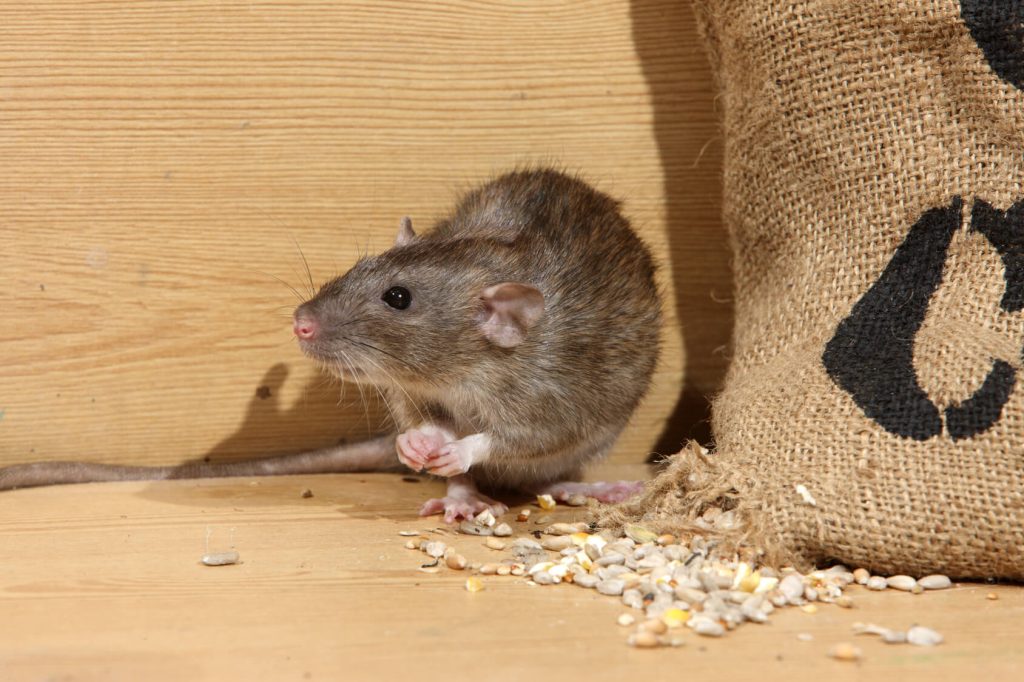
Signs You May Have a Rodent Problem
Rodents often remain hidden until an infestation grows. Common warning signs include:
- Droppings in cabinets, garages, or storage areas
- Gnaw marks on wood, wiring, or food packaging
- Scratching sounds inside walls or ceilings
- Nests made from paper, insulation, or fabric
- Burrows around foundations or landscaped areas
- Damaged gardens or crops
- Unpleasant odors from hidden nesting areas
Our Rodent & Vertebrate Control Process
Comprehensive Inspection
We inspect your property to identify pest activity, nesting locations, entry points, and conditions that attract rodents or vertebrates.
Customized Control Plan
Every property is different. We create a treatment strategy based on the type of pest, the extent of the activity, and your property's layout.
Removal & Control
Using professional methods, we work to eliminate active infestations while minimizing disruption to your home or business.
Exclusion & Prevention
After treatment, we recommend sealing entry points, improving sanitation, and reducing food and shelter sources to help prevent future problems.