Protect Your Property from Hidden Structural Damage
Subterranean termites are among the most destructive pests for homes and businesses. They live underground, build mud tubes, and can silently damage wood structures long before the problem is noticed. Beartooth Pest Control specializes in subterranean termite inspections, treatment, and prevention throughout Billings and surrounding communities.
Early detection and professional treatment can help prevent costly repairs and serious structural damage.
What Are Subterranean Termites?
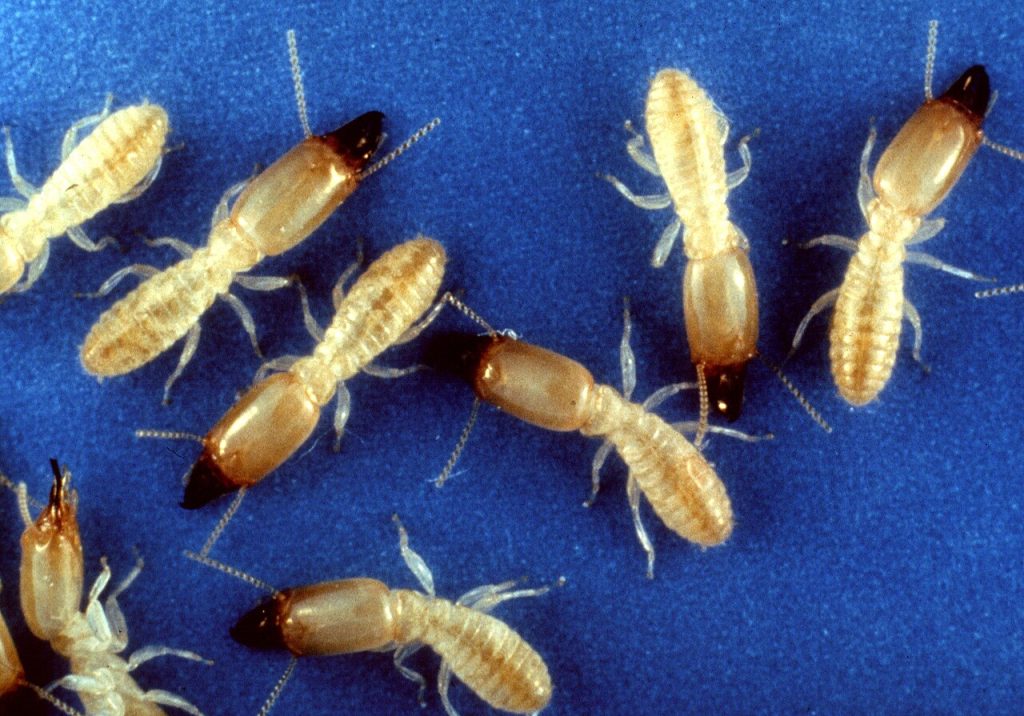
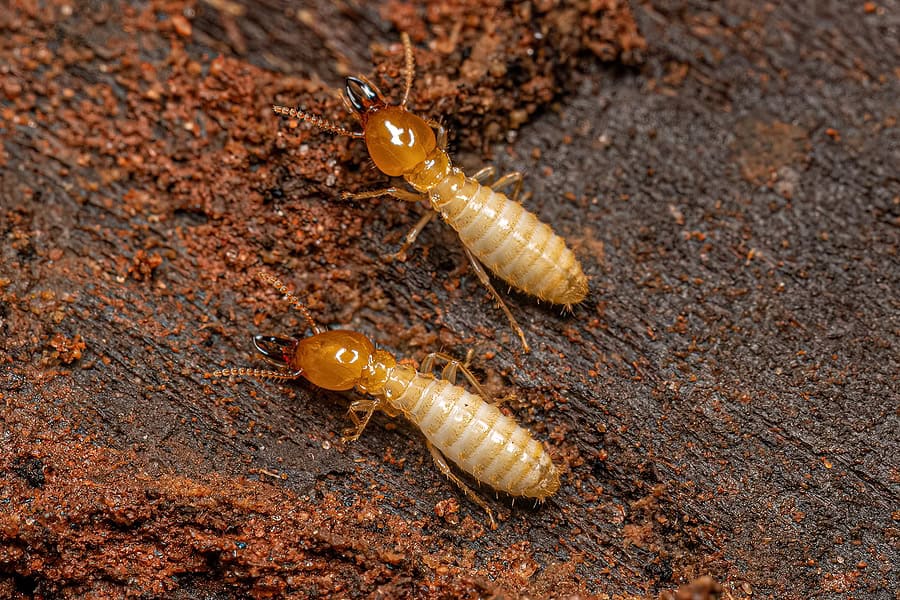
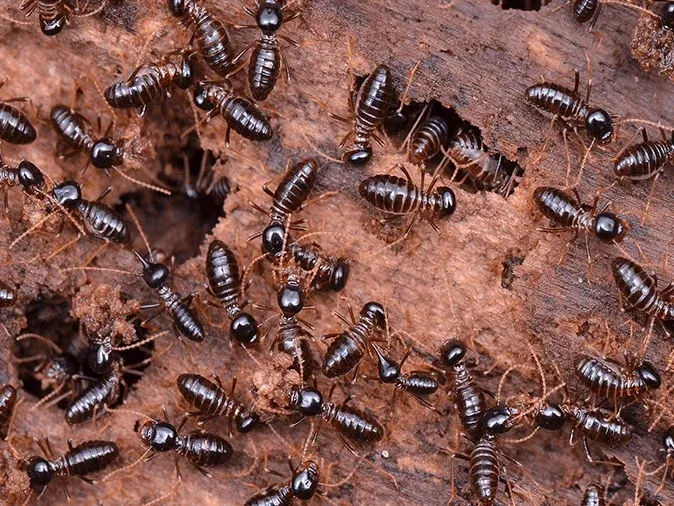
Subterranean termites live in soil colonies and travel through hidden tunnels to reach wood sources above ground. Because they often stay out of sight, infestations may continue for long periods before visible signs appear.
They commonly attack:
Homes
Garages
Decks
Sheds
Commercial buildings
Wooden supports
Fences and outbuildings
Signs of Termite Activity
You may need an inspection if you notice:
Mud tubes along foundations or walls
Hollow-sounding wood
Soft, damaged, or blistering wood surfaces
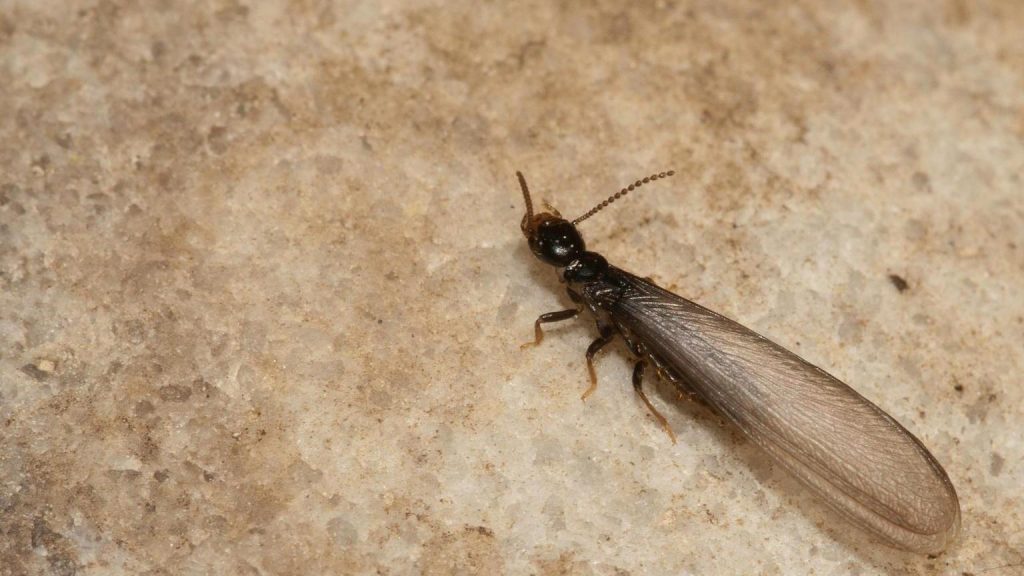
Discarded wings near windows or doors
Doors or windows sticking unexpectedly
Cracked paint that resembles water damage
Swarming insects around springtime
Why Choose Beartooth Pest Control
Specialists in subterranean termite control
Trusted local service since 1993
Family owned and operated
Thorough inspections
Safe and effective treatment methods
Licensed and insured
Residential and commercial termite solutions
Our Termite Service Process
Comprehensive Inspection
We inspect foundations, crawlspaces, basements, structural wood, and surrounding areas for termite activity and risk factors.
Targeted Treatment Plans
Every property is different. We develop customized termite control solutions based on infestation size, structure type, and property layout.
Colony Elimination & Barrier Protection
We use proven treatment methods designed to stop active colonies and help protect your structure from future invasions.
Ongoing Monitoring
Follow-up inspections and preventative strategies help reduce the risk of recurring termite issues.